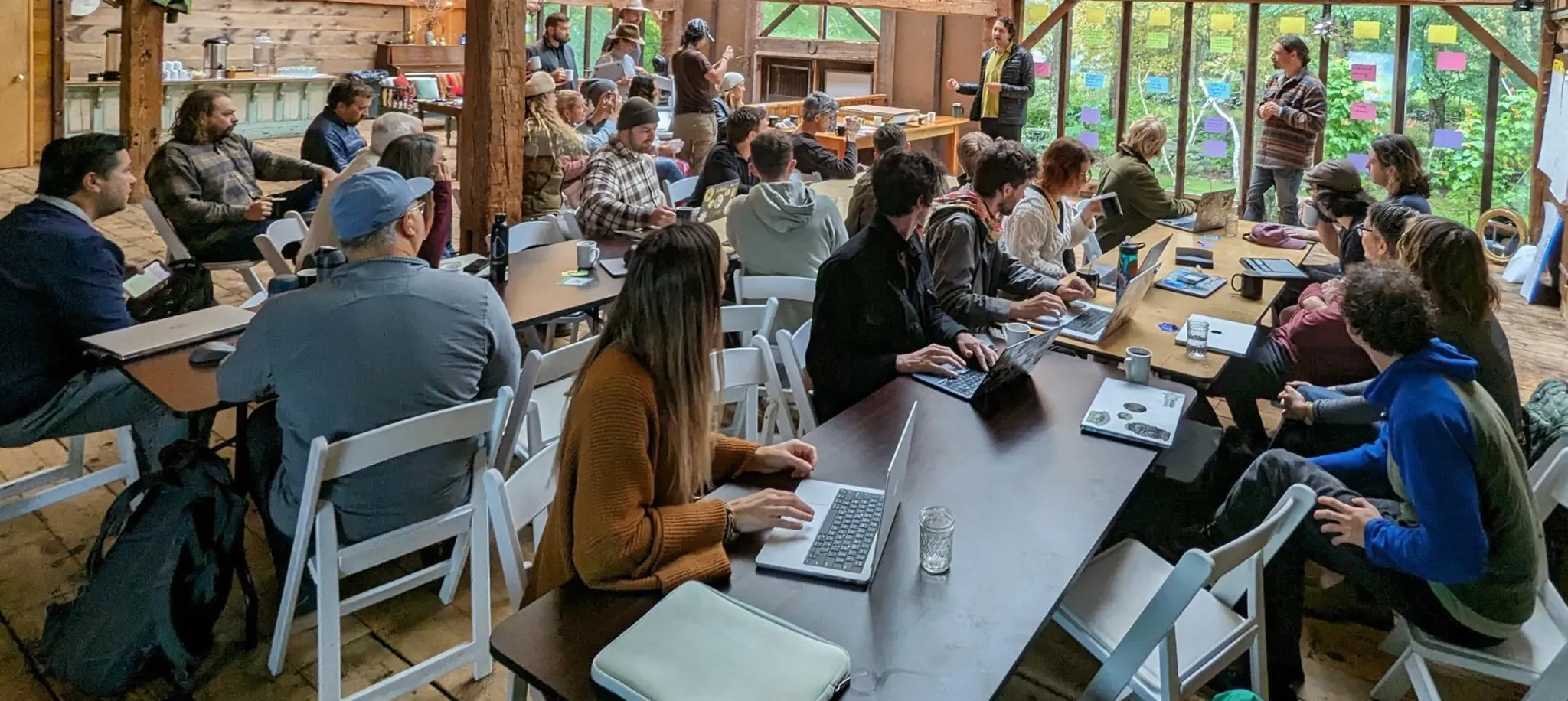
We are building the political architectures of the digital age, where global communities are able coordinate, govern, and create public value beyond the limits of the nation-state.
Network Nations are globally distributed communities of choice. They build and govern their own digital civic infrastructure to cultivate trust at scale. Network Nations is one term of many defining an emerging design space for networked community building — self-sovereign, bottom-up, and trust-rich.
The Network Nations Alliance is a cooperative alliance of builders, researchers, organizations, and activists reimagining digital networks as tools to empower civil society beyond states and markets.
These are geographically distributed yet highly aligned groups that coordinate across digital and physical spaces. Rather than being anchored to a single place, they emerge through interlinked nodes of people and places across different localities, bound by a shared sense of kinship. This structure empowers locally rooted yet globally connected communities to act collectively as part of a broader, interwoven whole.
A form of distributed nationhood is cultivated, defined not by geographic proximity, but by relational closeness. This collective identity emerges through sustained interaction, mutual recognition, and shared cultural practices. Unlike traditional nations tied to inherited citizenship, cohesion here is derived from active, voluntary participation, offering an alternative model of nation-building.
Decentralised technologies—from blockchain protocols to peer-to-peer platforms—provide the foundation for scalable and autonomous self-governance. This technological stack enables communities to manage their own affairs while resisting censorship and minimizing dependence on external authorities. They are not merely digital communities but technopolitical formations whose sovereignty is tied to their control over their own tools.
Resilient communities are created by pooling and sharing resources across a distributed network, enabling each node to access capabilities far beyond what it could achieve individually. This commons-based approach operates on reciprocity and mutual aid, creating a positive feedback loop that strengthens the entire network and ensures resilience against shocks.
Self-governance is the capacity to define, implement, and adapt the rules of collective life without relying on external authority. Governance systems are built from the bottom up, distributing decision-making across the network. Legitimacy arises not from a centralized mandate but from active participation, mutual accountability, and the continual renegotiation of shared rules.
Political agency emerges from the coordinated alignment of autonomous nodes around a common agenda, rather than from centralized authority. This networked coherence enables the community to influence broader systems, shape public discourse, and address global challenges, demonstrating a form of political influence traditionally reserved for major state and market institutions.
Shared norms and infrastructures transform loose coalitions into distributed polities, empowering value-aligned groups to construct a common identity without territorial borders. Belonging emerges from mutual coordination, not fixed geography. By decoupling citizenship from location, new spaces for political agency open up, offering alternative pathways for collective action on a global scale.
The aspiration is to achieve functional sovereignty—the capacity to govern essential domains of community life with a high degree of autonomy. This sovereignty is not rooted in territory, but in the ability to set rules, manage resources, and coordinate internally. Instead of replacing nation-states, these entities work alongside them, reimagining sovereignty as operational autonomy.
Network Nations are often confused with Network States. Here's how they differ in philosophy, structure, and purpose.
A network state is a coordinated online community that seeks territorial control and formal sovereignty through a start-up logic: raise capital, acquire land, and negotiate recognition from existing nation-states. It grows like a company and aims to exit the current system.
A network nation is a community-rooted, commons-driven civic fabric that builds functional sovereignty through culture, cooperation, and shared stewardship. It doesn’t secede — it grows legitimacy through practice, belonging, and the capacity to care for people and place.
The Network Nations Alliance isn't a formal organization. We are a community of practice and a coordinative group acting as "memetic stewards" for this emerging concept.
Apply and get reviewed by existing alliance members in our monthly peer process.
ApplyListen in or share an update on your work with the broader network.
View CalendarContribute to monthly digests and Substack posts — theory, perspectives, and pilot updates.
Share UpdateContribute to a shared knowledge graph — research, practice, and collective insight.
ExploreThe coordinative pulse of the alliance is an open monthly gathering for friends, collaborators, and fellow explorers — a chance to reconnect, swap updates, and imagine what we can build together while staying aligned and shaping the work ahead.
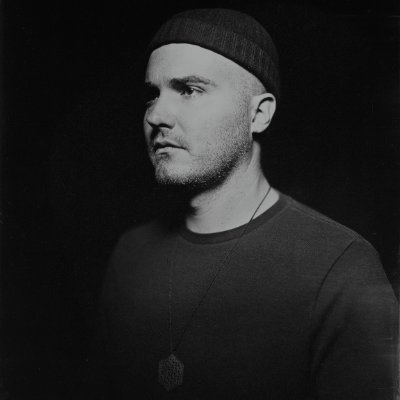
World leading legal scholar, artist and governance pioneer whose work explores how decentralized technologies can enable new forms of sovereignty, citizenship, and collective organization.
Co-founder of OpenCivics and a participatory futurist, designs sociotechnical systems and immersive experiences that empower communities to co-create regenerative futures.
AI Artist and ML Art Engineer, researcher on exploring model's latent space beyond text prompts, builds bespoke new interfaces for ai, used by millions of people.
Harvard MPA Candidate, James N. Snitzler and DAAD Fellow, and researcher designing governance innovations at the nexus of technology and democracy to reimagine institutions for the network age.
Web3 educator and strategic communicator at BlockchainGov, connecting technology, classic institutions, and collective imagination.
Founder of Working Together Consulting and an Associate at Greaterthan, specializing in organizational development and social design to help leaders and projects build a regenerative future.
Research, media, and projects from across the network.
A living, evolving body of research, theory, and practice — cultivated collectively by alliance members. Browse interconnected notes, frameworks, and pilot learnings.
Explore the Garden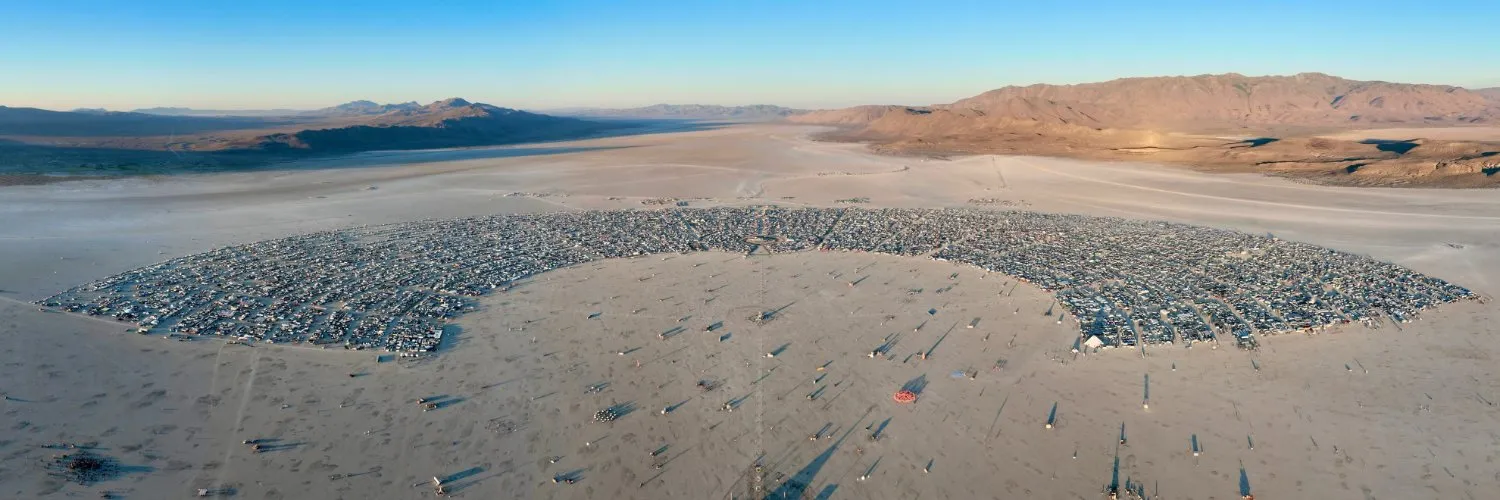



These guiding principles provide a compass, but a compass is only useful with a crew to navigate. We operate on a light-touch "social contract," focused on stewarding our shared story and creating a welcoming space for exploration.